
Municipal Transit Authorities
Municipal Transit Authorities
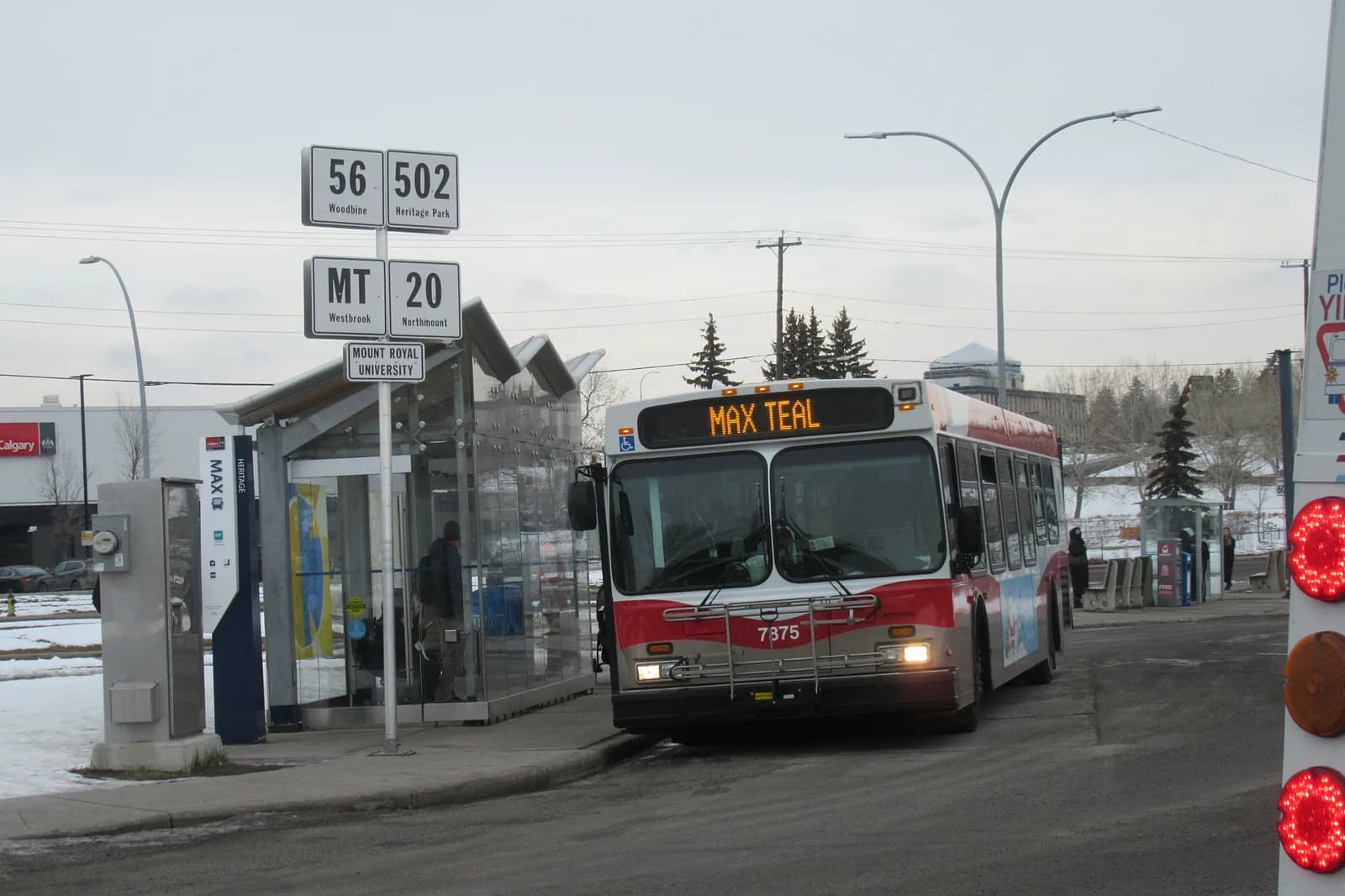
Municipal transit authorities are the largest single segment of BusShelters. ca's order book — TTC, STM, TransLink, OC Transpo, Calgary Transit, Edmonton Transit, Winnipeg Transit, Saskatoon Transit, Halifax Transit, and 70+ smaller Canadian agencies. We are configured around the municipal RFP workflow: pre-qualified vendor lists, CCDC 2 stipulated-price contracts, CCDC 5B construction-management contracts, prevailing-wage installation crews, and CSA-stamped engineering for every province in scope.
Common Deployments
Working with Municipal Transit Authorities
Key Takeaways
- ✓Key features: Service-expansion programmes — new shelters along expanded bus routes (TTC route 96 west, STM 470, MiWay 2030 plan), End-of-life replacement of 1990s–2000s shelter inventory that no longer meets AODA / CSA B651-18, Capital-renewal of advertising-shelter networks at concessionaire-term end (typical 10–15 year concession cycles)
Procurement teams typically issue an RFP with a 30 to 60 day response window, requiring a technical proposal, pricing schedule, references, bonding documentation, and CSA/AODA conformance evidence. Our bid desk in Brantford, Ontario turns a complete municipal-grade response in 5 to 10 working days including province-specific snow load and footing engineering, photometric reports for any lighting components, and a CCDC-compatible pricing schedule with hold-prices through the project term. Common municipal scopes are (a) new-route shelter deployment for service-expansion programmes, (b) end-of-life replacement of 1990s and 2000s shelter inventory that no longer meets current accessibility code, (c) capital-renewal of advertising-shelter networks at the end of a concessionaire term, and (d) patch-and-replace maintenance of existing fleets via stocking-package contracts. We bond up to $15 million per project through Travelers Canada and have WSIB / CNESST / WCB clearance in every Canadian jurisdiction.
Municipal Transit Authorities — Procurement & Contracting
Past municipal references include Toronto, Mississauga, Brampton, Ottawa, Montréal, Laval, Quebec City, Vancouver, Surrey, Burnaby, Calgary, Edmonton, Winnipeg, Saskatoon, Regina, and Halifax — full reference list available with quote. Our typical municipal engagement starts with a scope-confirmation call before bid response, a written Q&A submission during the RFP question window, a technical proposal with stamped engineering and product datasheets, a commercial proposal in CCDC-compatible pricing format, and a post-award kickoff within 5 working days of PO. Project communication is single-point-of-contact: one named project manager, weekly status calls, and a shared schedule visible to your asset-management team. We use Procore or Aconex if your team prefers, otherwise plain Smartsheet plus weekly PDFs.
Engagement Workflow
Closeout includes the as-built drawing package, warranty documents, maintenance manual, and digital asset register (CSV with GPS coordinates and serials) ready for ingest into your GIS / EAM / CMMS system — Cityworks, Cartegraph, IBM Maximo, or Esri ArcGIS most commonly.
Why Municipal Transit Authorities choose BusShelters.ca
Recommended Shelter Models
Standard Bus Shelters
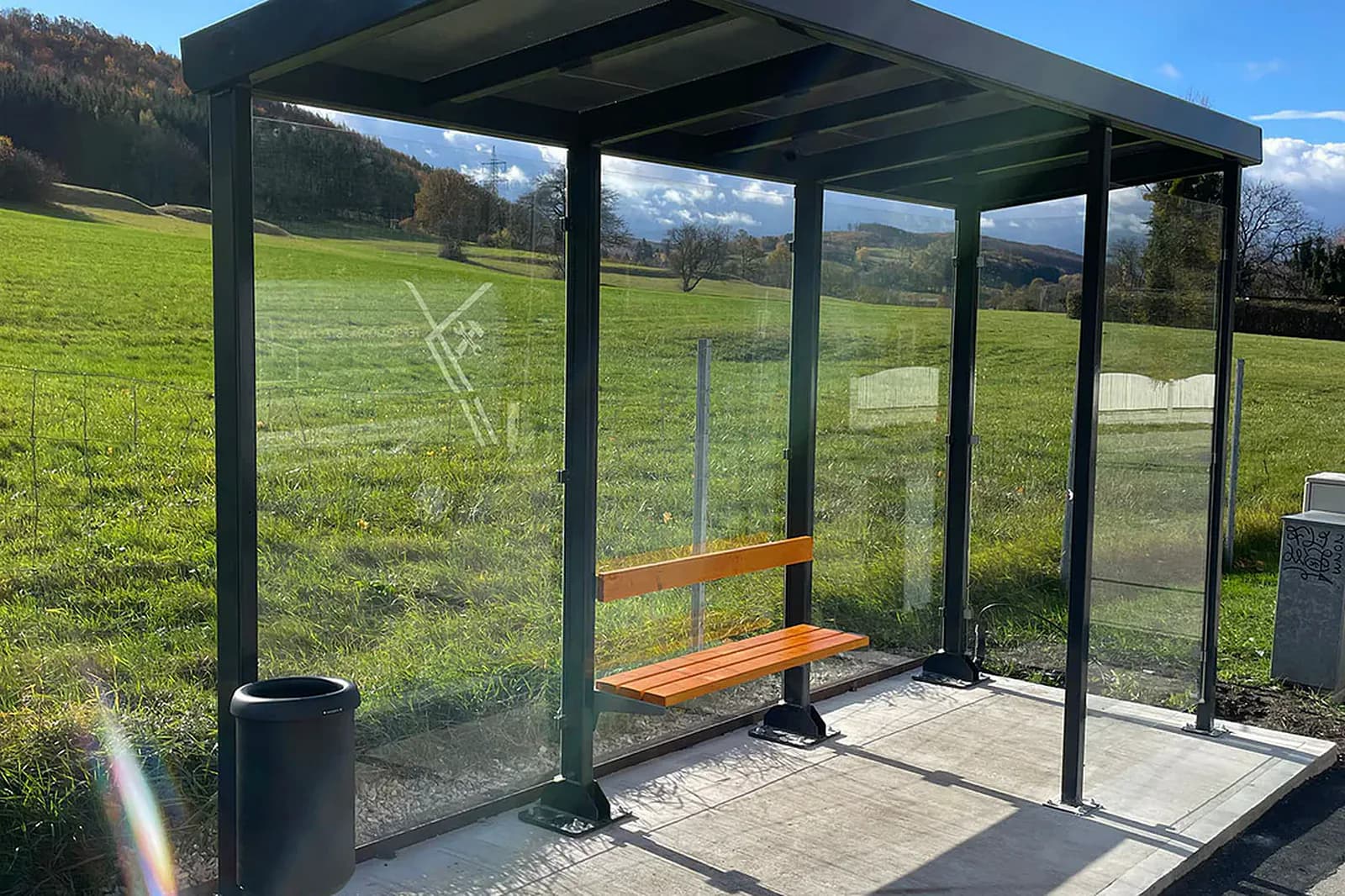
Aluminum-frame cantilever and freestanding bus shelters supplied Canada-wide — tempered glass walls, anti-graffiti panels, integrated bench.
Learn more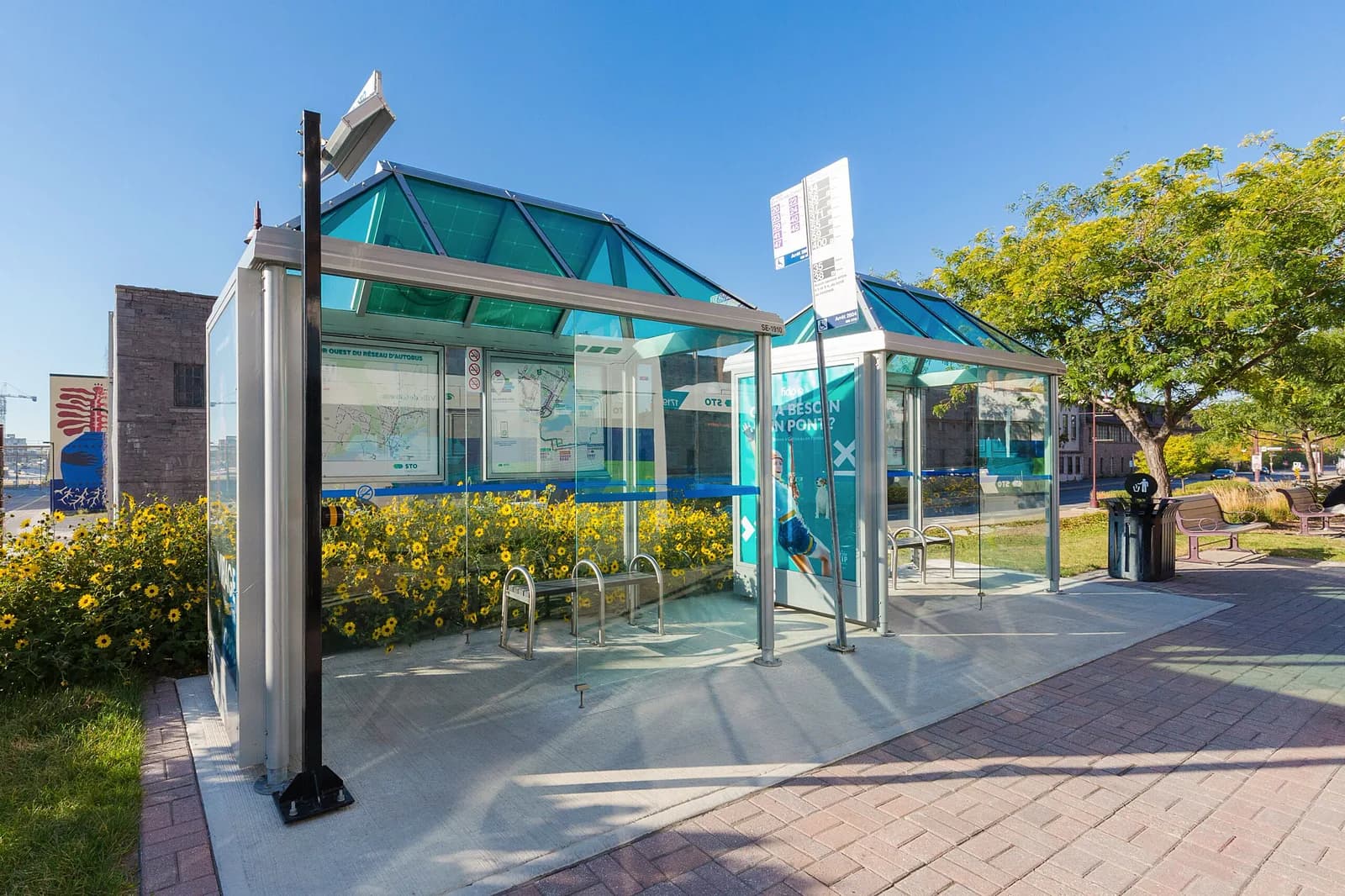
Solar-Powered Bus Shelters
Off-grid LED-lit shelters with rooftop PV array — no trenching, no electrical connection, full winter operation.
Learn more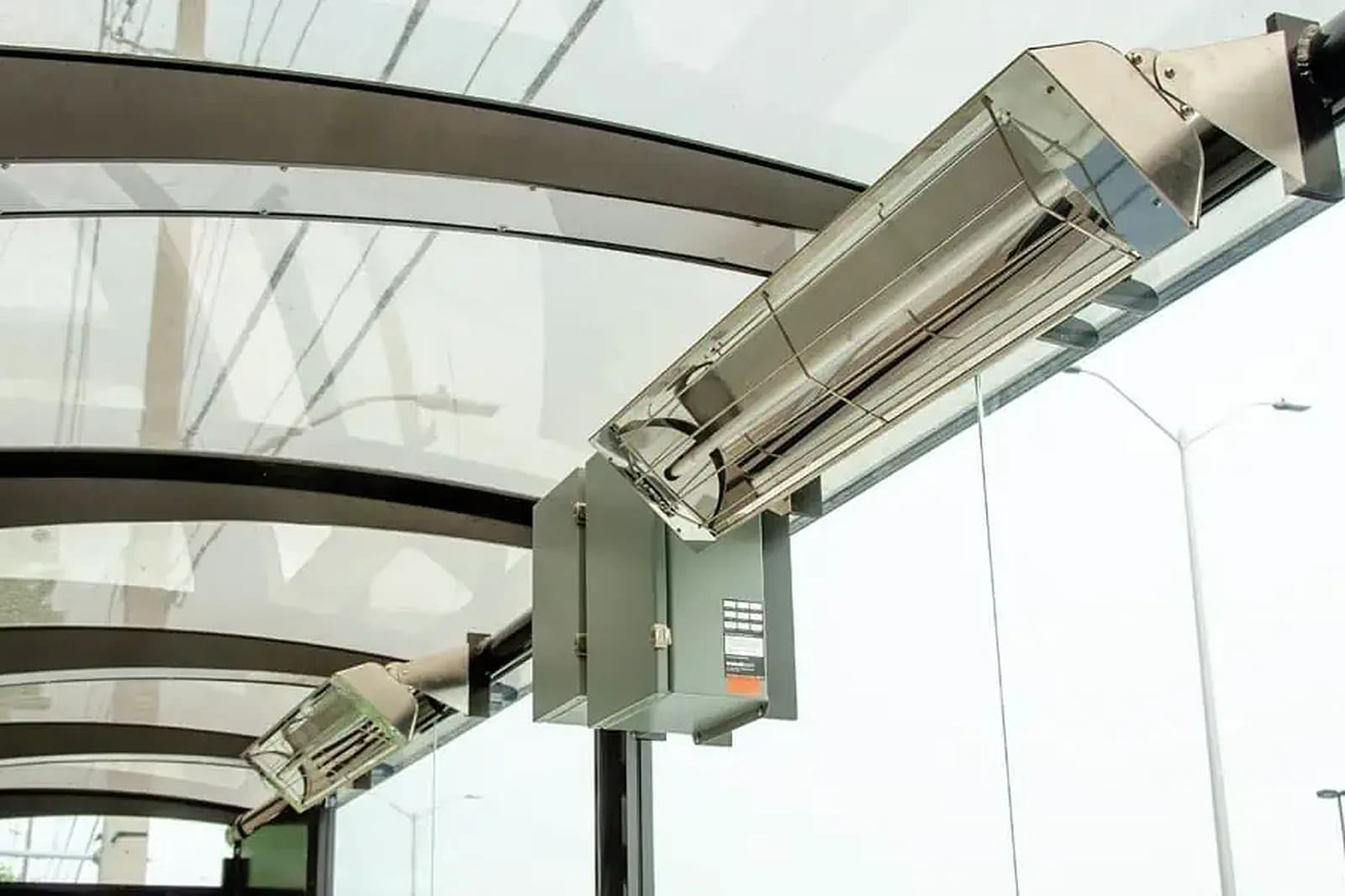
Heated Bus Shelters
Radiant overhead heating panels triggered by motion sensor — thermal comfort below -30°C, heated bench seat option.
Learn moreMunicipal Transit Authorities served across Canada
Frequently Asked Questions — Municipal Transit Authorities
Where can I buy a bus shelter in Canada?
Direct purchase from a Canadian bus shelter manufacturer is the path used by transit authorities, universities, Indigenous communities, BIDs, private developers, and rural municipalities. Public-sector procurement runs through MERX, BidNet, SEAO (Quebec), and BC Bid; sub-RFP-threshold purchases run through direct quote from the manufacturer's bid desk; Ontario provincial agencies use the Ontario Vendor of Record (VOR) roster; and Indigenous Services Canada and band-council procurement runs through the PSAB Indigenous-set-aside registry. BusShelters.ca holds active pre-qualification on all four channels and turns standard quotes in one business day and municipal RFP responses in 5 working days. Contact our bid desk at bids@busshelters.ca or 1-888-BUS-SHELT for a written quote, RFP response, or no-cost site-suitability review covering snow load, wind load, footing depth, accessibility code, electrical proximity, and budget envelope.
What's the difference between a bus shelter and a transit shelter?
In practice they're used interchangeably. Bus shelter is the more common consumer term; transit shelter is the term most Canadian municipalities and transit authorities use in RFPs and contracts (because shelters can serve buses, BRT, light rail, or commuter rail stops). Our product line covers all transit modes — the engineering and accessibility standards are identical. Functionally the structure is the same — three glazed walls, a roof sized for local snow load, an integrated bench. The terminology shift reflects scope: a transit shelter can serve any mode (bus, light rail, BRT, ferry-terminal queue), and the canopy lengths used at LRT and BRT stations are typically longer than a single-bus shelter. Our modular product family scales from a 4 ft single-rider transit shelter up to a 60 ft BRT-station canopy on the same engineering platform — the term used in your RFP doesn't change the product family we ship.
How long does a bus shelter installation take?
A standard 4-foot or 6-foot freestanding shelter installs in 4–8 hours on a prepared concrete pad. If we pour footings, total project time is 3–5 days including 48-hour concrete cure. Larger custom or modular configurations take 1–2 weeks. Smart-shelter electrical and data hookups add 1 day. We coordinate around transit-service schedules and typically complete municipal installs in single overnight windows. Permitting is the variable: in mature municipalities (Toronto, Montréal, Vancouver, Ottawa, Calgary) building and right-of-way permits issue in 2–4 weeks; smaller municipalities can stretch to 6–8 weeks when the public-works engineer is the only reviewer. We handle the permit submission ourselves and provide weekly status updates. For projects with tight occupancy-permit deadlines, a temporary-shelter rental (8-week minimum) covers the gap until the permanent install completes — used most often on private-developer site-plan-approval timelines.
Do you handle the RFP process for municipal and transit authority bids?
Yes. We respond to MERX, BidNet, SEAO (Quebec), and BCBid opportunities and deliver complete bid packages with stamped engineering, CCDC contract forms, WCB/CSST clearances, prevailing-wage attestations, and Indigenous procurement (PSAB) documentation. Our average response time on a Canadian transit RFP is 7–10 business days. Our bid desk in Brantford turns a complete municipal-grade response in 5 to 10 working days including province-specific snow-load and footing engineering, photometric reports, CCDC-compatible pricing schedules, bonding documentation, and CSA/AODA conformance evidence. We hold active SAEA registration for Indigenous-set-aside RFPs and are pre-qualified on most major Canadian transit-authority vendor lists (TTC, STM, TransLink, OC Transpo, Calgary Transit, Edmonton Transit). For non-municipal RFPs we use the same response engine with the customer's preferred contract template (CCDC, CCA, AIA, or custom).
Have a project for Municipal Transit Authorities?
Send us your RFP, scope, or specification — our bid desk responds within one business day.