

Bus Shelters in Edmonton
Engineered, supplied, and installed in Edmonton, Alberta — climate-rated, AODA-compliant, with stamped drawings.
Edmonton, AB
Edmonton, Alberta, is served by Edmonton Transit Service (ETS) (205 routes) and is home to roughly 2000 transit shelters across the city. The local design code requires every shelter to handle a 1. 6 kPa snow load and a 0.
- Transit authority
- Edmonton Transit Service (ETS) · 205 routes
- Shelter network
- ~2,000 shelters
- Snow load (Ss)
- 1.6 kPa
- Wind load (q1/50)
- 0.45 kPa
Engineering Specs for Edmonton
Bus Shelters in Edmonton
In practice, Prairie sites face wide diurnal temperature swings (about 40 °C in 24 hours is routine), so glazing seals must remain compliant from -40 °C to +35 °C. Edmonton procurements typically run through Alberta Purchasing Connection (APC), with proposals citing NBCC 2020 loads and Alberta Building Code conformance, plus footing-depth stamping matched to the 2. 4 m municipal frost line. Across 2000 Edmonton shelters, the 205-route Edmonton Transit Service (ETS) network drives where high-volume bay spec gets prioritised.
Edmonton — Engineering & Permits
Local accent: In Edmonton, Alberta, every shelter is engineered to 124 cm annual snowfall, -10. 4 °C average winter temperature, and 2. 4 m frost-depth footings — with Alberta Building Code accessibility compliance and stamped engineering for Zone 7A. BusShelters.
Installation Workflow
ca delivers, installs, and maintains for Edmonton Transit Service (ETS) and private clients. The municipal population sits near 1010k, which sizes the install pipeline.
In Edmonton, Alberta, every shelter is engineered to 124 cm annual snowfall, -10.4 °C average winter temperature, and 2.4 m frost-depth footings — with Alberta Building Code accessibility compliance and stamped engineering for Zone 7A. BusShelters.ca delivers, installs, and maintains for Edmonton Transit Service (ETS) and private clients.
Why Edmonton clients choose BusShelters.ca
Shelter models for Edmonton
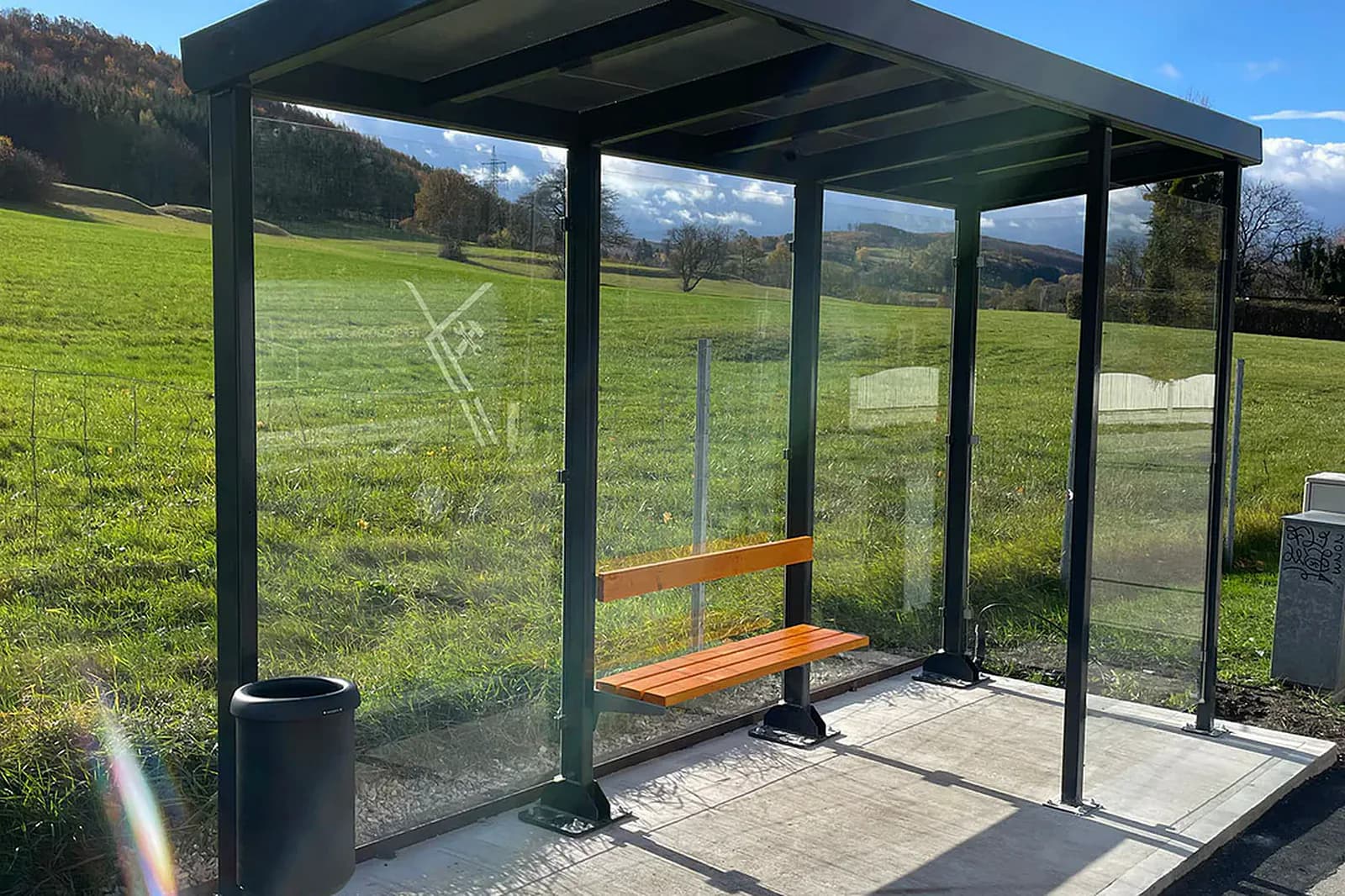
Standard Bus Shelters
Aluminum-frame cantilever and freestanding bus shelters supplied Canada-wide — tempered glass walls, anti-graffiti panels, integrated bench.
Learn more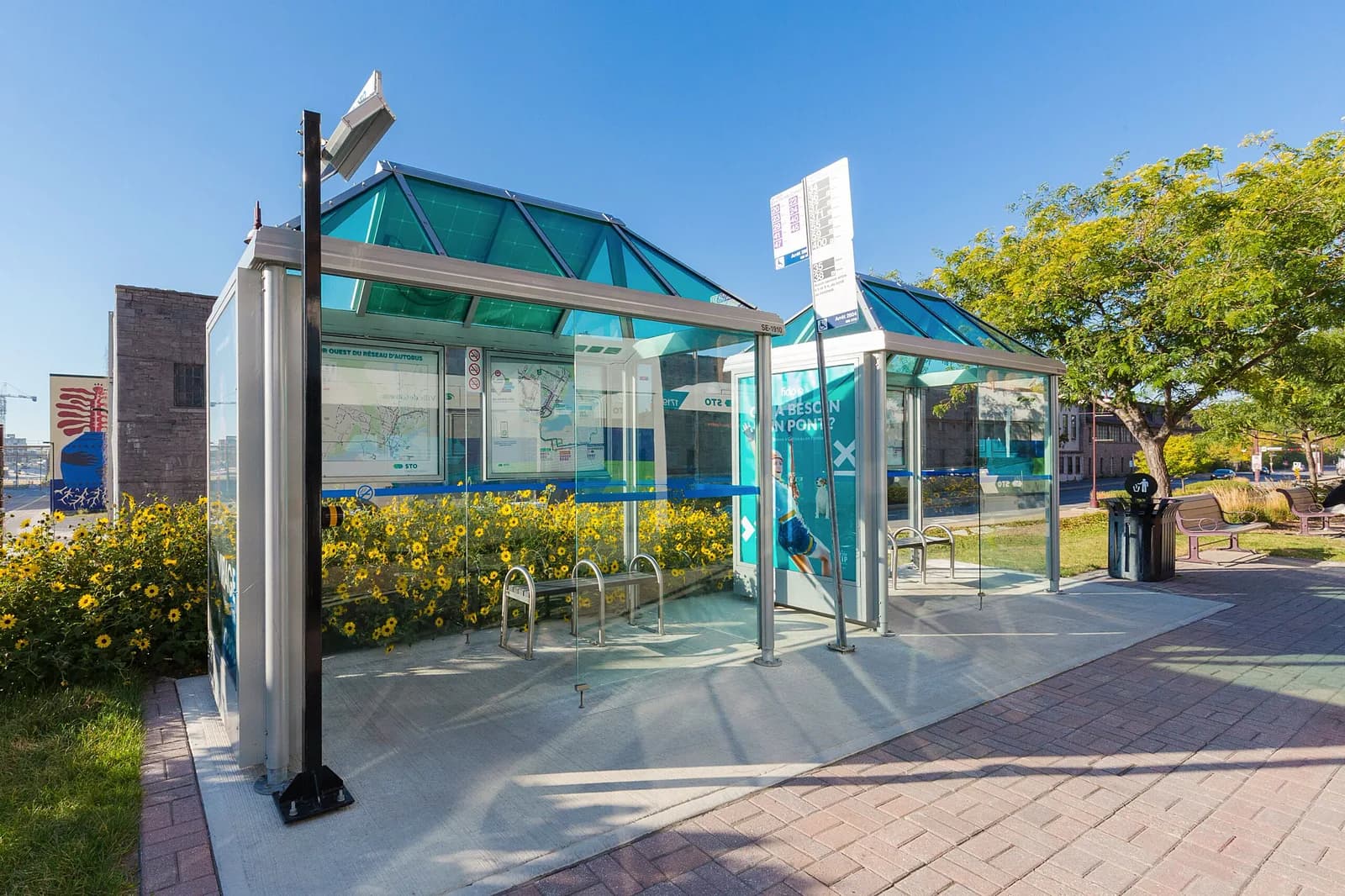
Solar-Powered Bus Shelters
Off-grid LED-lit shelters with rooftop PV array — no trenching, no electrical connection, full winter operation.
Learn more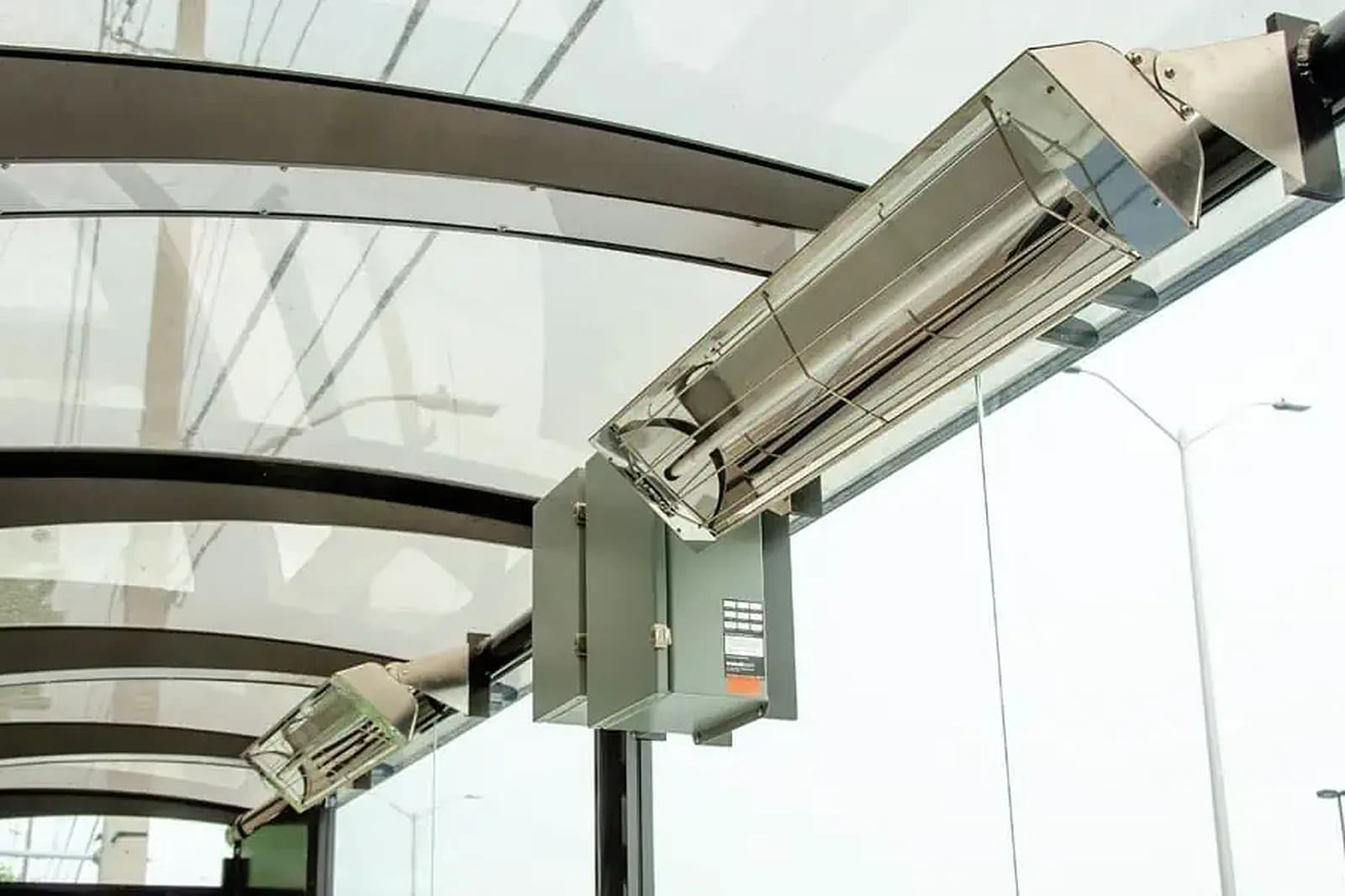
Heated Bus Shelters
Radiant overhead heating panels triggered by motion sensor — thermal comfort below -30°C, heated bench seat option.
Learn more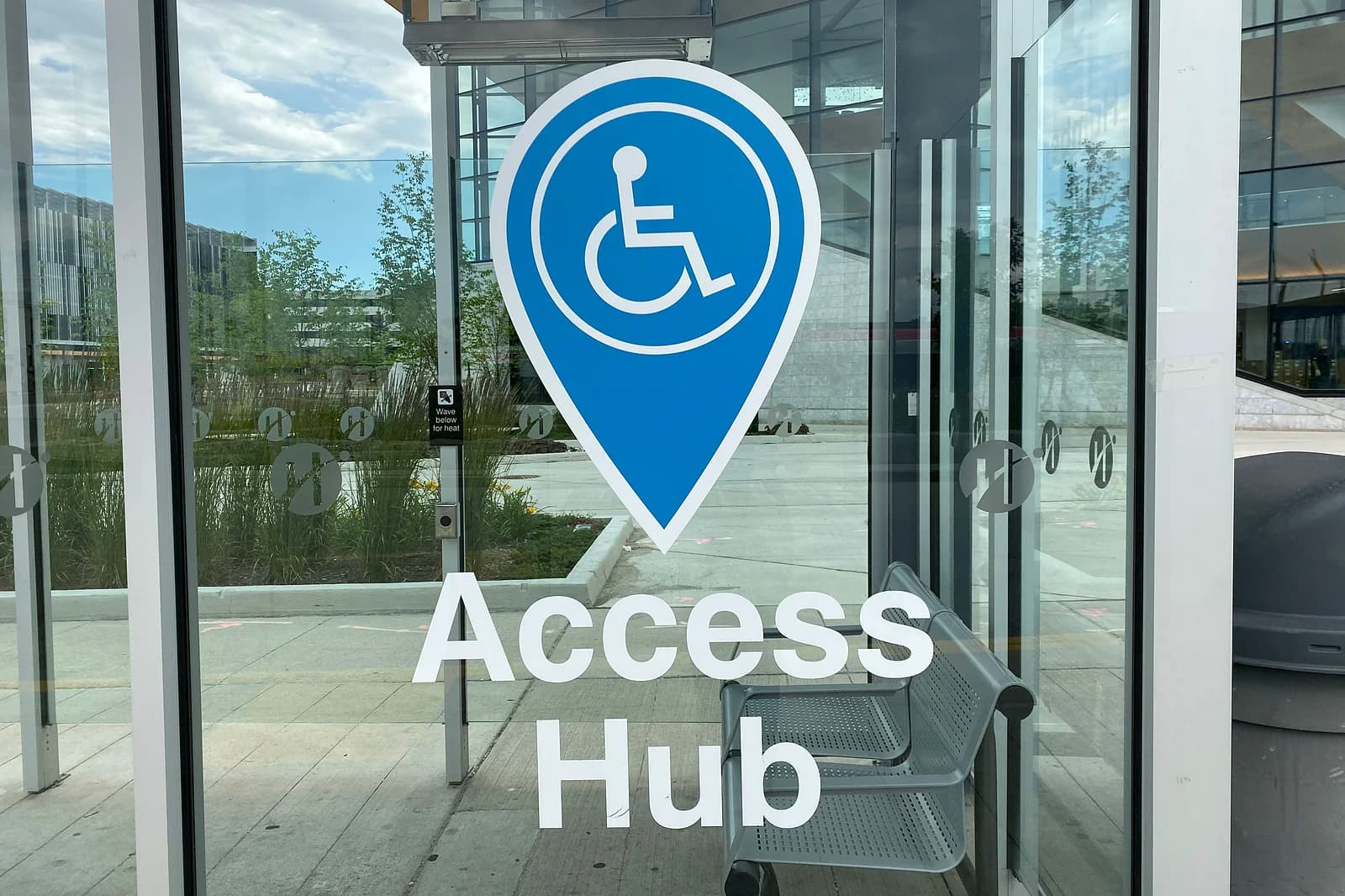
ADA & AODA Accessible Shelters
Wheelchair-clear floor space, transfer bench, tactile wayfinding, contrasting colour bands — meets AODA, BC Building Code Section 3.8, and CSA B651.
Learn moreFrequently Asked Questions — Edmonton
Who manufactures bus shelters in Canada?
BusShelters.ca is a Canadian-owned bus shelter manufacturer designing, engineering, fabricating, and installing transit shelters from our Brantford, Ontario facility for clients in all 10 provinces and 3 territories. The Canadian market also includes Brasco International (Ontario), Daytech Manufacturing (Ontario), Creative Outdoor Advertising (Ontario), the concessionaire-led suppliers JCDecaux Canada, Pattison Outdoor, Astral Out-of-Home / Bell Media, and US-Canadian-active Tolar Manufacturing. Smaller regional fabricators (Norshield in BC and Quebec, AmCan in Alberta, Maritime Steel & Foundry in Atlantic Canada) supply rural networks. BusShelters.ca holds active vendor pre-qualification with TTC, STM, TransLink, OC Transpo, Calgary Transit, Edmonton Transit, Winnipeg Transit, BC Transit, Halifax Transit, plus the Ontario Vendor of Record (VOR) roster and the PSAB Indigenous-set-aside registry — every shelter ships with stamped engineering by a P.Eng. licensed in the destination province and full CSA B651-18 accessibility documentation.
Do you handle the RFP process for municipal and transit authority bids?
Yes. We respond to MERX, BidNet, SEAO (Quebec), and BCBid opportunities and deliver complete bid packages with stamped engineering, CCDC contract forms, WCB/CSST clearances, prevailing-wage attestations, and Indigenous procurement (PSAB) documentation. Our average response time on a Canadian transit RFP is 7–10 business days. Our bid desk in Brantford turns a complete municipal-grade response in 5 to 10 working days including province-specific snow-load and footing engineering, photometric reports, CCDC-compatible pricing schedules, bonding documentation, and CSA/AODA conformance evidence. We hold active SAEA registration for Indigenous-set-aside RFPs and are pre-qualified on most major Canadian transit-authority vendor lists (TTC, STM, TransLink, OC Transpo, Calgary Transit, Edmonton Transit). For non-municipal RFPs we use the same response engine with the customer's preferred contract template (CCDC, CCA, AIA, or custom).
Ready to spec a shelter for Edmonton?
Send us your scope, route, or RFP — our bid desk responds within one business day with stamped engineering and a fixed quote.