

Bus Shelters in Ottawa
Engineered, supplied, and installed in Ottawa, Ontario — climate-rated, AODA-compliant, with stamped drawings.
Ottawa, ON
Ottawa, Ontario, is served by OC Transpo (121 routes) and is home to roughly 2300 transit shelters across the city. The local design code requires every shelter to handle a 2. 4 kPa snow load and a 0.
- Transit authority
- OC Transpo · 121 routes
- Shelter network
- ~2,300 shelters
- Snow load (Ss)
- 2.4 kPa
- Wind load (q1/50)
- 0.41 kPa
Engineering Specs for Ottawa
Bus Shelters in Ottawa
In practice, Continental winters drive lake-effect snow corridors with sustained -30 °C cold snaps and rapid thaw-freeze cycles. Ottawa procurements typically run through MERX and the Ontario Vendor of Record (VOR), with proposals citing NBCC 2020 loads and AODA conformance, plus footing-depth stamping matched to the 1. 5 m municipal frost line. Across 2300 Ottawa shelters, the 121-route OC Transpo network drives where high-volume bay spec gets prioritised.
Ottawa — Engineering & Permits
Local accent: In Ottawa, Ontario, every shelter is engineered to 223 cm annual snowfall, -9. 1 °C average winter temperature, and 1. 5 m frost-depth footings — with AODA accessibility compliance and stamped engineering for Zone 6. BusShelters.
Installation Workflow
ca delivers, installs, and maintains for OC Transpo and private clients. The municipal population sits near 1017k, which sizes the install pipeline.
In Ottawa, Ontario, every shelter is engineered to 223 cm annual snowfall, -9.1 °C average winter temperature, and 1.5 m frost-depth footings — with AODA accessibility compliance and stamped engineering for Zone 6. BusShelters.ca delivers, installs, and maintains for OC Transpo and private clients.
Why Ottawa clients choose BusShelters.ca
Shelter models for Ottawa
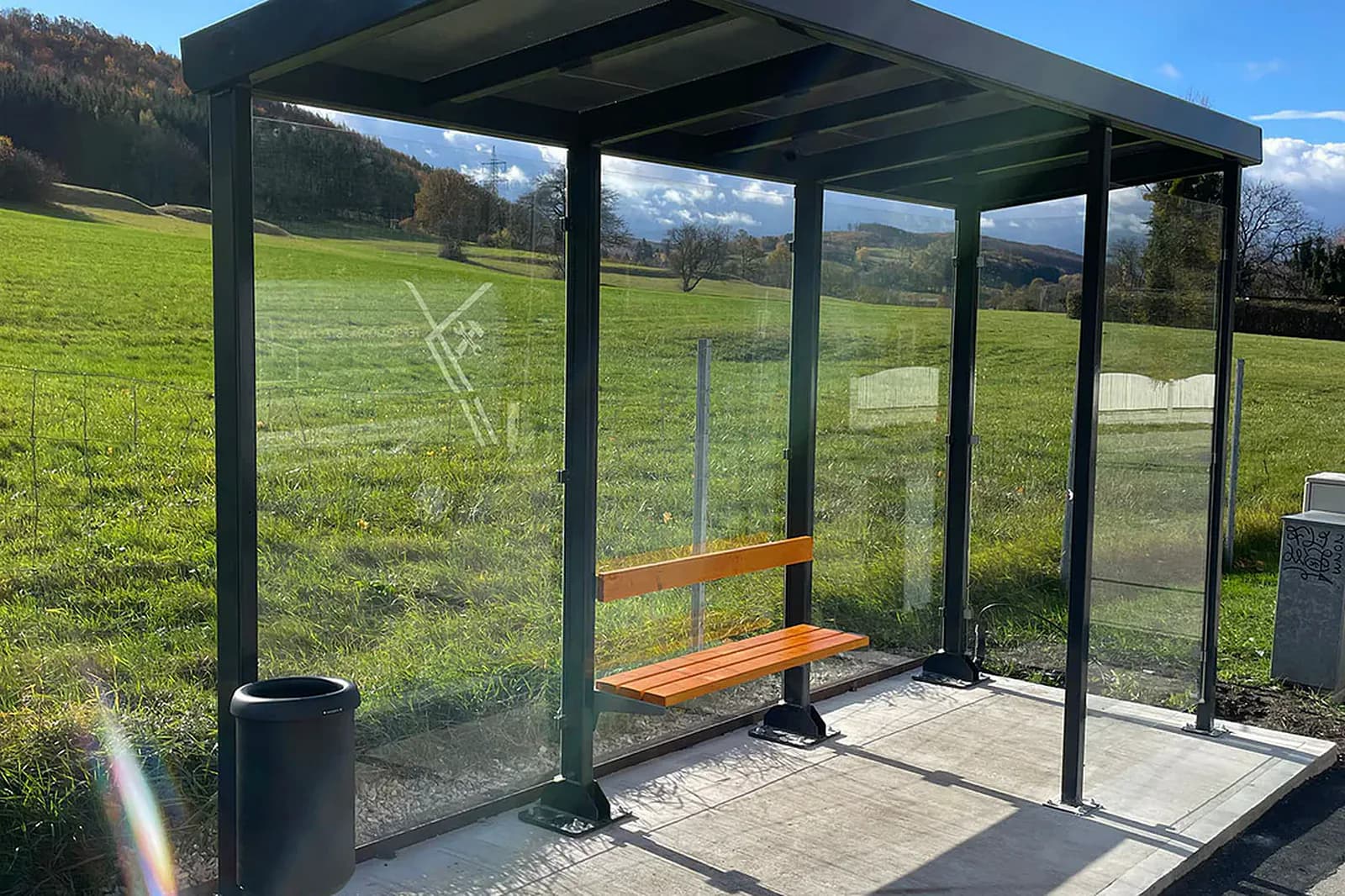
Standard Bus Shelters
Aluminum-frame cantilever and freestanding bus shelters supplied Canada-wide — tempered glass walls, anti-graffiti panels, integrated bench.
Learn more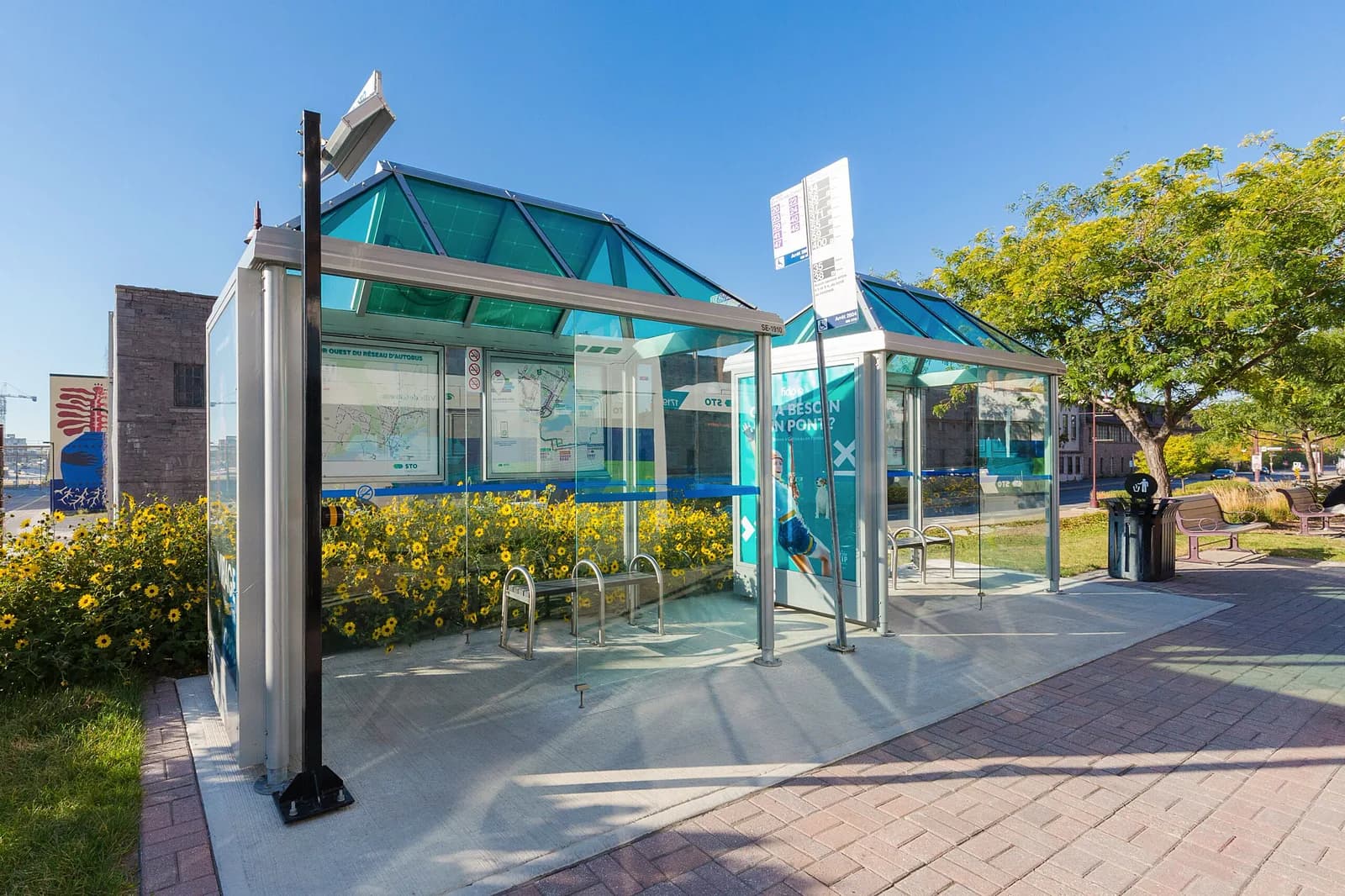
Solar-Powered Bus Shelters
Off-grid LED-lit shelters with rooftop PV array — no trenching, no electrical connection, full winter operation.
Learn more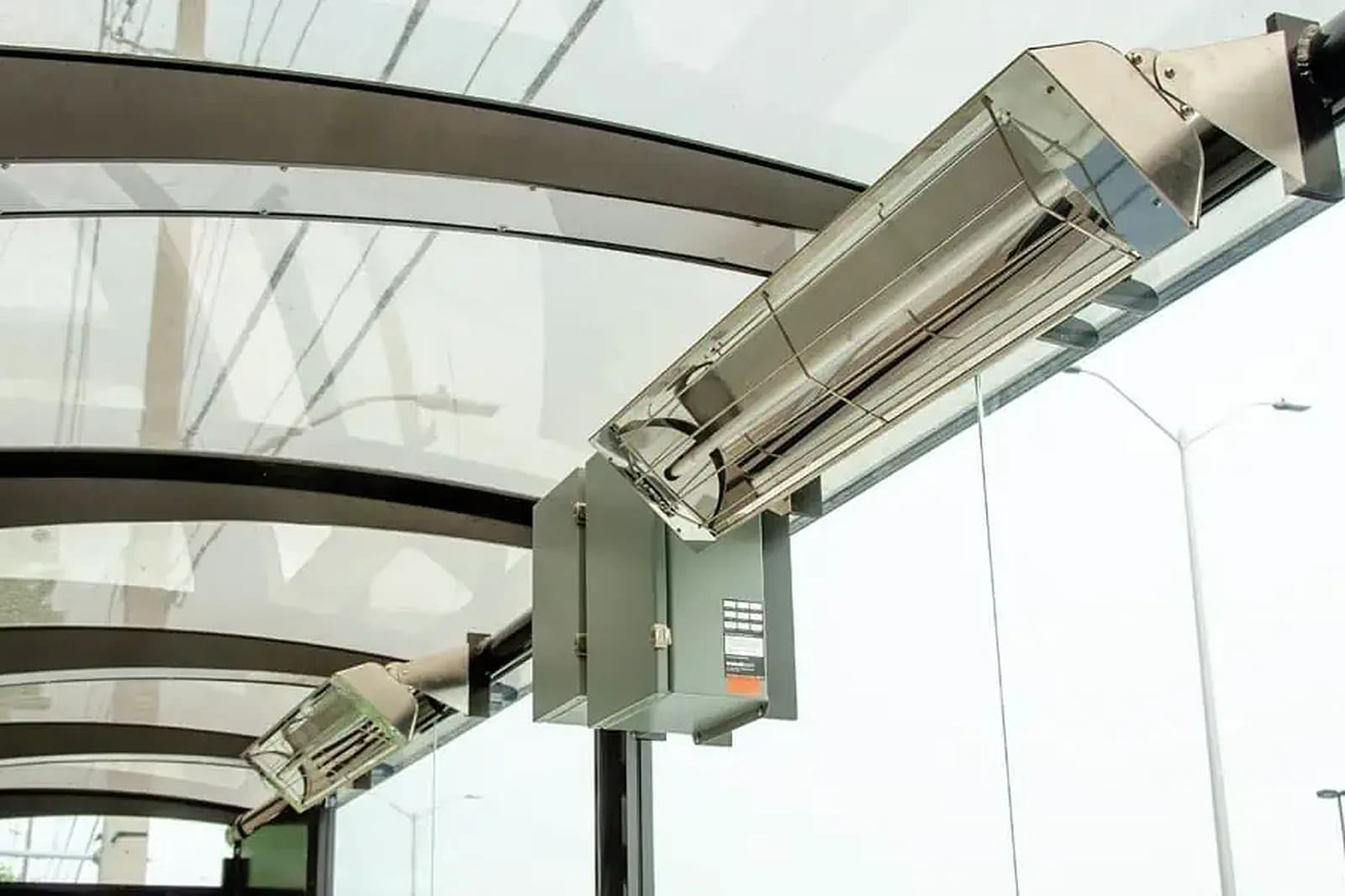
Heated Bus Shelters
Radiant overhead heating panels triggered by motion sensor — thermal comfort below -30°C, heated bench seat option.
Learn more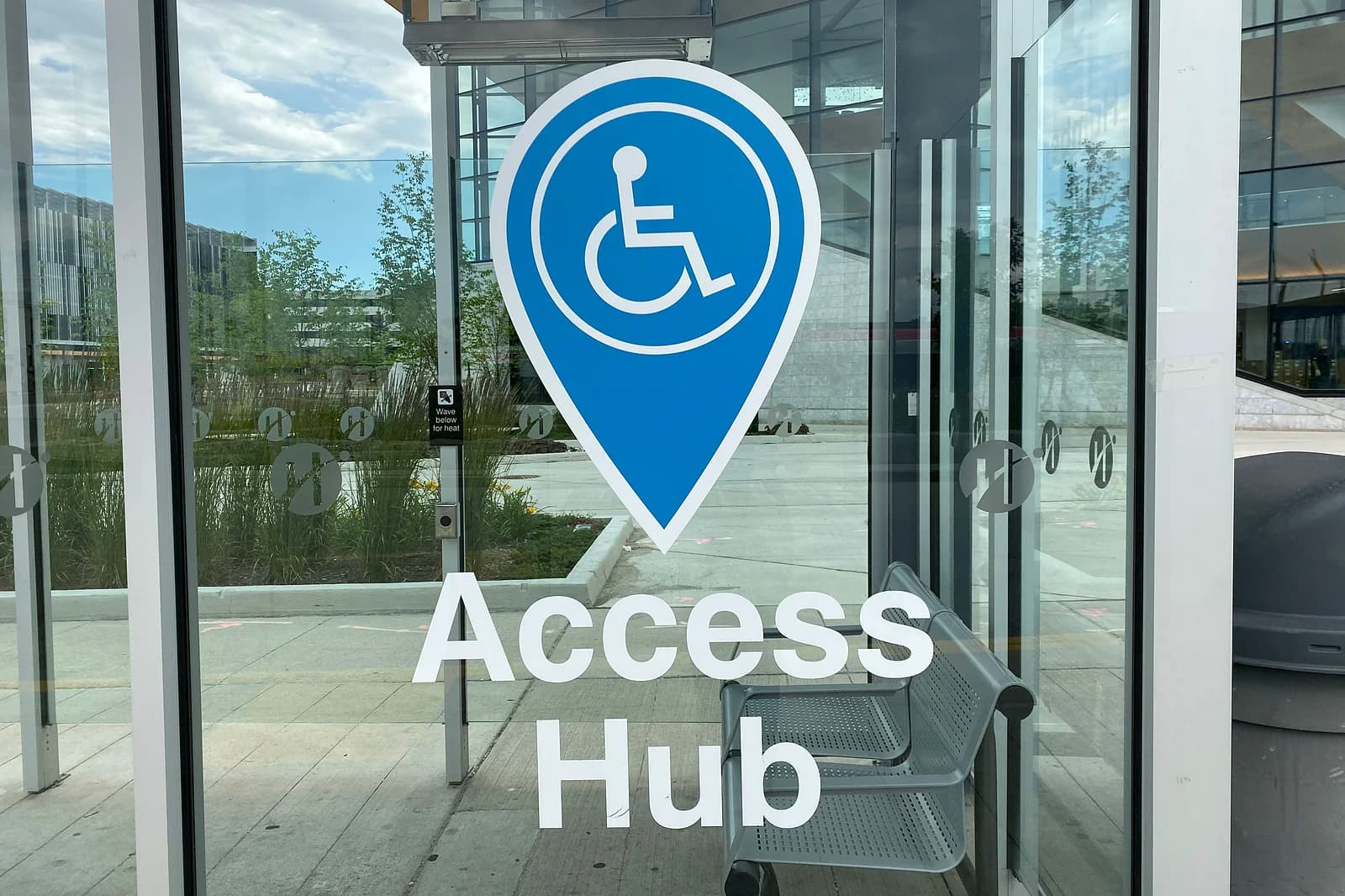
ADA & AODA Accessible Shelters
Wheelchair-clear floor space, transfer bench, tactile wayfinding, contrasting colour bands — meets AODA, BC Building Code Section 3.8, and CSA B651.
Learn moreFrequently Asked Questions — Ottawa
How long does a bus shelter installation take?
A standard 4-foot or 6-foot freestanding shelter installs in 4–8 hours on a prepared concrete pad. If we pour footings, total project time is 3–5 days including 48-hour concrete cure. Larger custom or modular configurations take 1–2 weeks. Smart-shelter electrical and data hookups add 1 day. We coordinate around transit-service schedules and typically complete municipal installs in single overnight windows. Permitting is the variable: in mature municipalities (Toronto, Montréal, Vancouver, Ottawa, Calgary) building and right-of-way permits issue in 2–4 weeks; smaller municipalities can stretch to 6–8 weeks when the public-works engineer is the only reviewer. We handle the permit submission ourselves and provide weekly status updates. For projects with tight occupancy-permit deadlines, a temporary-shelter rental (8-week minimum) covers the gap until the permanent install completes — used most often on private-developer site-plan-approval timelines.
Ready to spec a shelter for Ottawa?
Send us your scope, route, or RFP — our bid desk responds within one business day with stamped engineering and a fixed quote.