
Indigenous & First Nations Communities
Indigenous & First Nations Communities
Indigenous and First Nations communities procure shelters for on-reserve transit programmes, First Nations health-services shuttle routes, on-reserve school-bus pickup zones, and economic-development corridor connections. BusShelters. ca operates a dedicated Indigenous-procurement programme that aligns with Indigenous Services Canada (ISC) procurement directives, Public Services and Procurement Canada (PSPC) Indigenous Set-Aside criteria, and the PSAB (Procurement Strategy for Aboriginal Business) registry.
Common Deployments
Working with Indigenous & First Nations Communities
Key Takeaways
- ✓Key features: On-reserve transit network shelters for community-operated bus routes, First Nations health-services shuttle stops connecting reserve communities to off-reserve hospitals, On-reserve school-bus pickup shelters at residential and arterial road locations
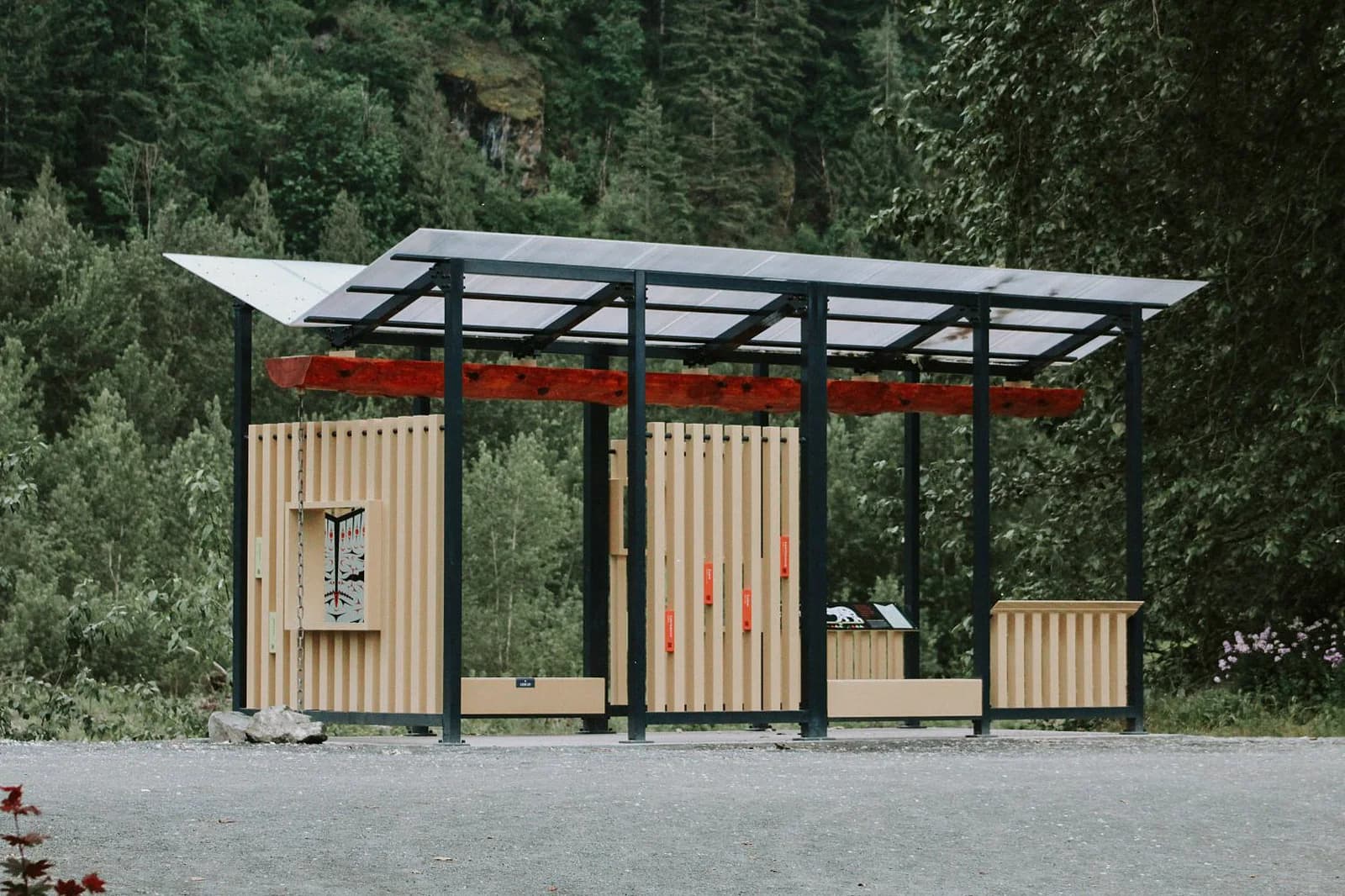
We are a registered PSAB-eligible vendor and partner directly with several First Nations-owned construction and installation firms across Canada — installation work is routinely subcontracted to Indigenous-owned trades as part of the project's economic-development value, not as an afterthought. Past programmes include shelter networks for Cowessess First Nation, Six Nations of the Grand River, Mohawks of Akwesasne, Nation Huronne-Wendat, Kahnawà:ke Mohawks, Kanesatake, Eskasoni Mi'kmaw Nation, Wikwemikong Unceded Territory, plus contracts under Manitoba Indigenous Transit Pilot and the Saskatchewan Indigenous Bus Service programmes. The shelter spec for Indigenous communities often includes cultural-design elements developed in collaboration with the community — colour palettes drawn from regalia and seasonal cycles, wood-cladding panels honouring local-tree species (cedar in coastal communities, birch in central, jack pine in northern), and signage that uses the community's language alongside English and French. We work with the Nation's economic-development office or band-council representative on the design brief and present concepts in the format the Nation prefers (sometimes a Talking Circle, sometimes a council presentation).
Indigenous & First Nations Communities — Procurement & Contracting
Logistics for remote and northern communities is a core competency: we ship via NAPS / Polar Air Cargo, winter-road convoys, and barge service for James Bay, Hudson Bay, and Arctic-coast communities. Shelters are crated for multi-modal transport with weather-resistant packaging that survives outdoor staging through a winter-road season. Field installation is co-ordinated around community schedules and weather windows. We approach Indigenous-community work as a partnership rather than a vendor relationship.
Engagement Workflow
Beyond the shelter delivery itself, we offer a community-trades training programme where our installation crew works alongside community members for the first two shelters of any project, transferring the install method so the community can self-install future shelters and run its own warranty maintenance. We also support band-council procurement reporting to ISC and PSPC with the standard PSAB-format documentation. Pricing is transparent and standardised: the same per-unit price a city pays for an equivalent shelter, with no Indigenous-supplier markup. Cultural-design programmes are billed at cost (artist honoraria + production) rather than at a margin — the cultural integrity of the work is more important than the revenue line on it.
Reporting & Closeout
Past partnerships have included multi-year supply agreements with several First Nations economic-development corporations.
Why Indigenous & First Nations Communities choose BusShelters.ca
Recommended Shelter Models
Standard Bus Shelters
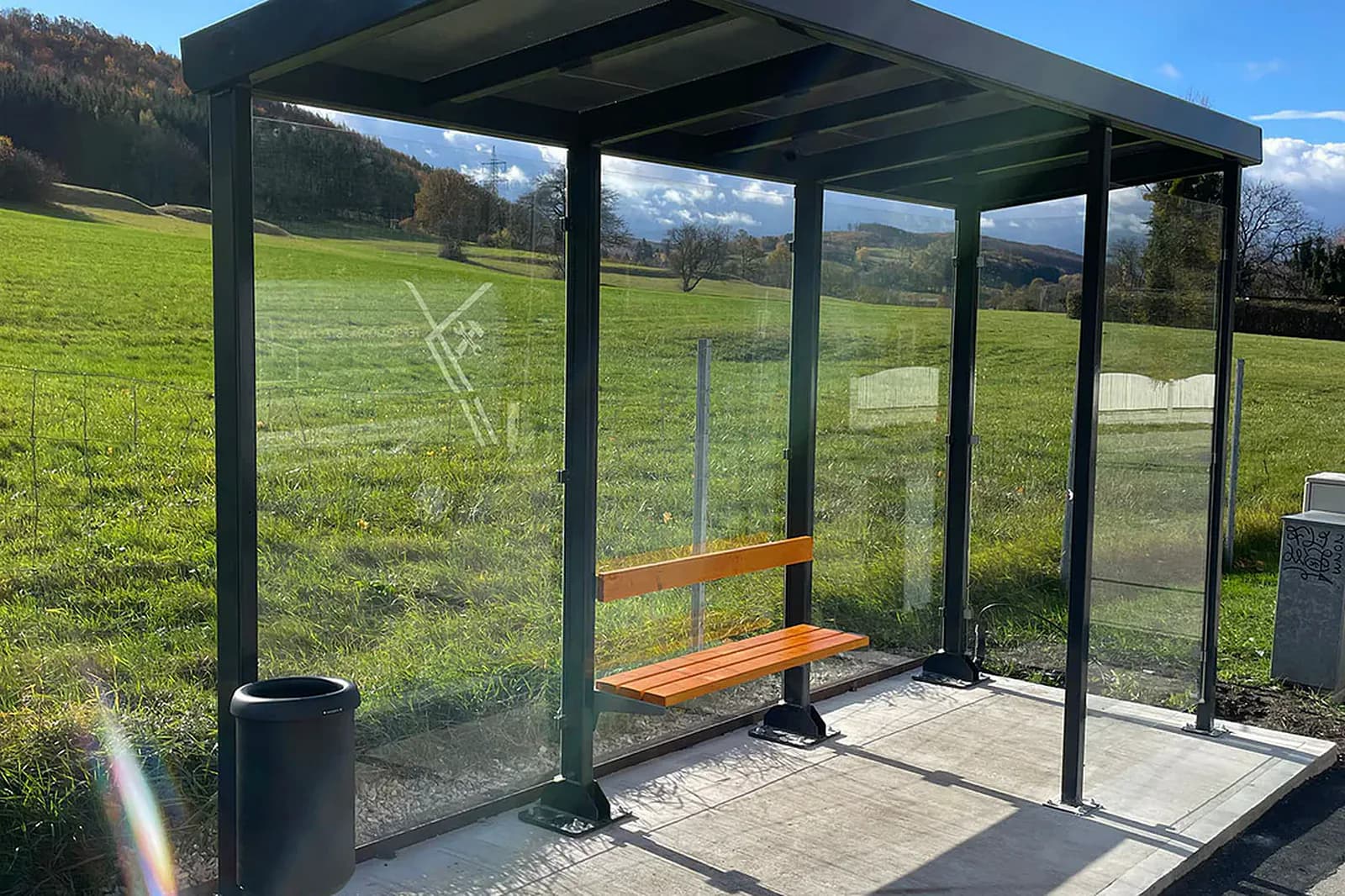
Aluminum-frame cantilever and freestanding bus shelters supplied Canada-wide — tempered glass walls, anti-graffiti panels, integrated bench.
Learn more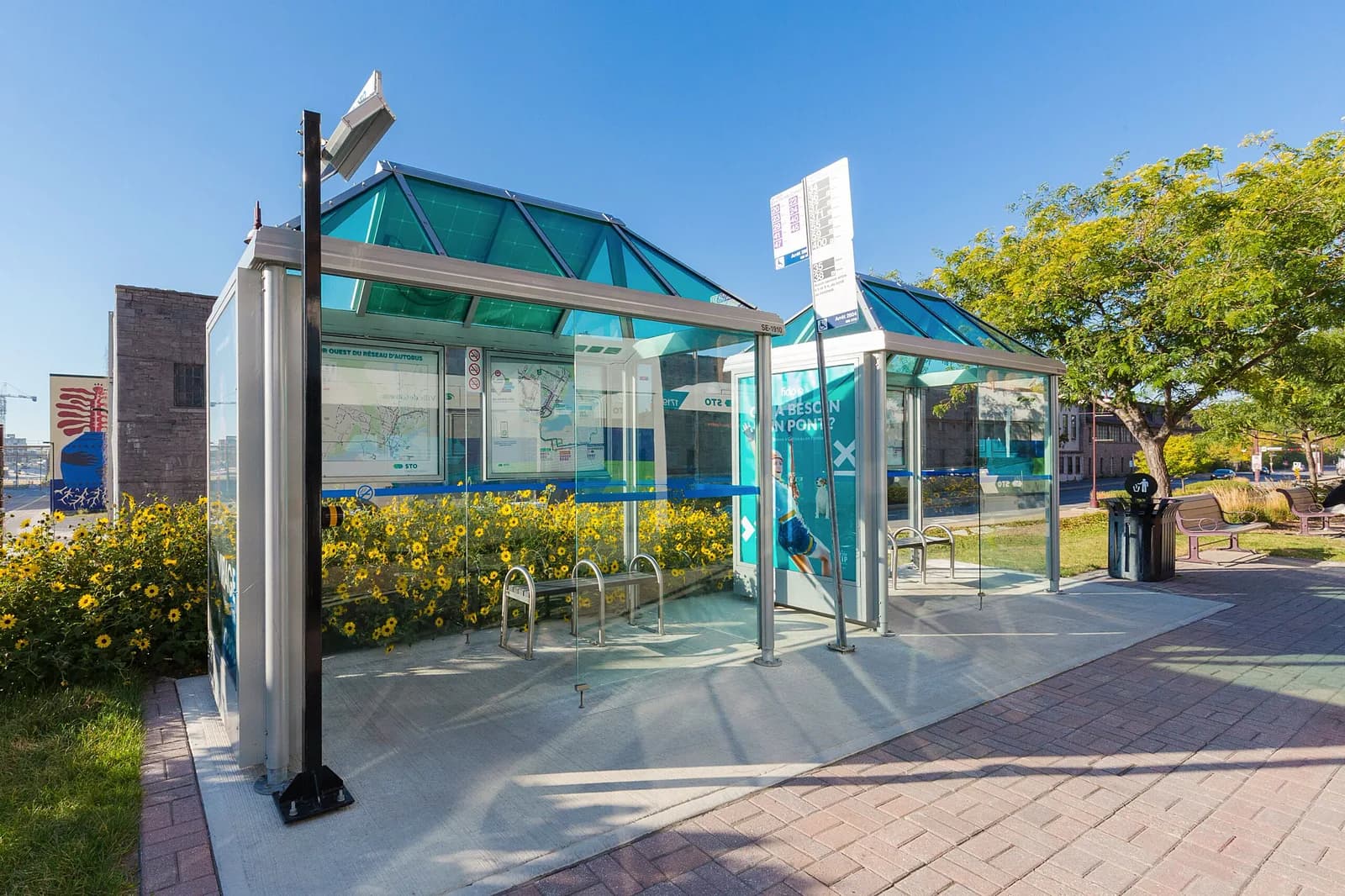
Solar-Powered Bus Shelters
Off-grid LED-lit shelters with rooftop PV array — no trenching, no electrical connection, full winter operation.
Learn more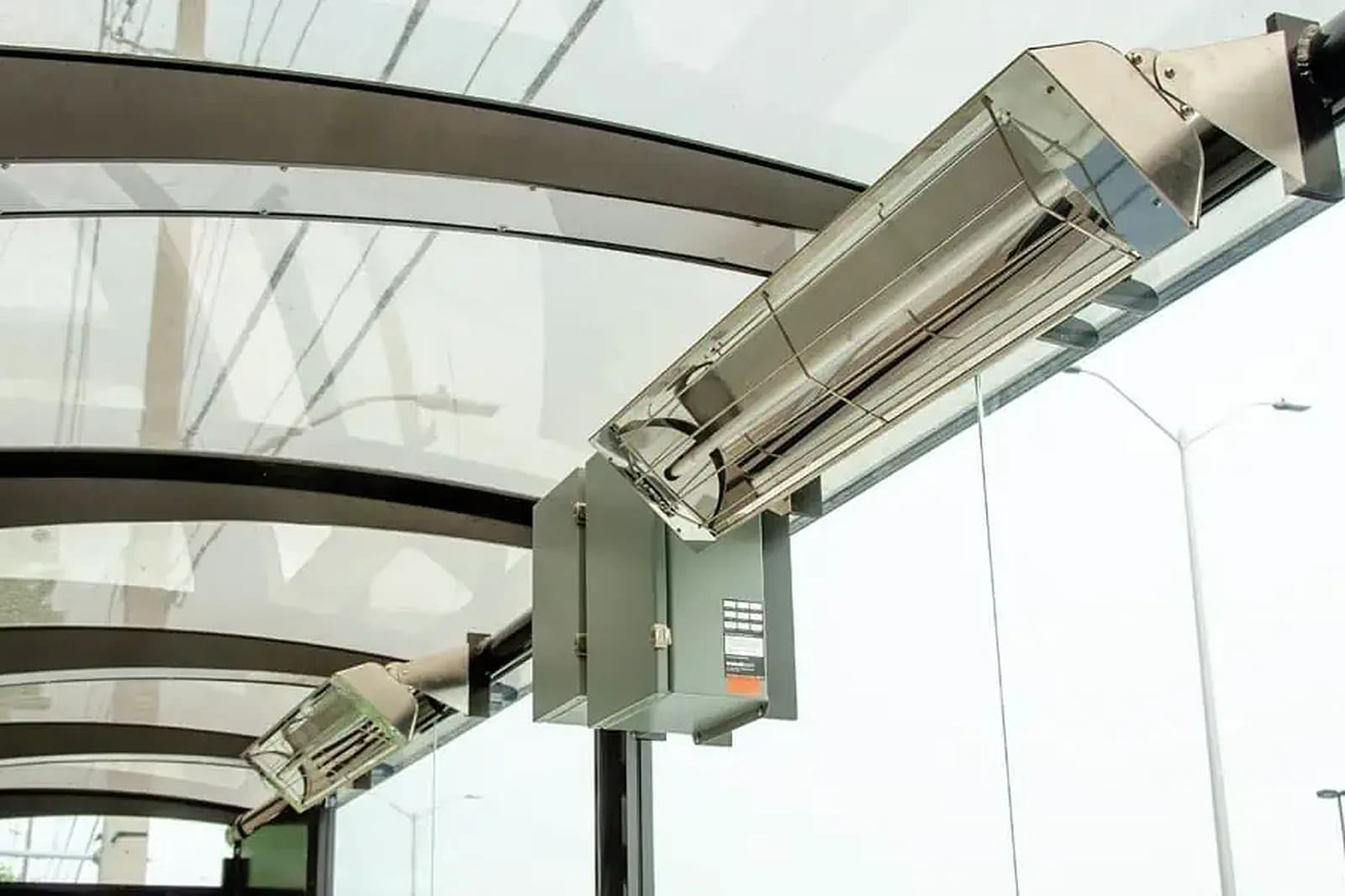
Heated Bus Shelters
Radiant overhead heating panels triggered by motion sensor — thermal comfort below -30°C, heated bench seat option.
Learn moreIndigenous & First Nations Communities served across Canada
Frequently Asked Questions — Indigenous & First Nations Communities
Where can I buy a bus shelter in Canada?
Direct purchase from a Canadian bus shelter manufacturer is the path used by transit authorities, universities, Indigenous communities, BIDs, private developers, and rural municipalities. Public-sector procurement runs through MERX, BidNet, SEAO (Quebec), and BC Bid; sub-RFP-threshold purchases run through direct quote from the manufacturer's bid desk; Ontario provincial agencies use the Ontario Vendor of Record (VOR) roster; and Indigenous Services Canada and band-council procurement runs through the PSAB Indigenous-set-aside registry. BusShelters.ca holds active pre-qualification on all four channels and turns standard quotes in one business day and municipal RFP responses in 5 working days. Contact our bid desk at bids@busshelters.ca or 1-888-BUS-SHELT for a written quote, RFP response, or no-cost site-suitability review covering snow load, wind load, footing depth, accessibility code, electrical proximity, and budget envelope.
Do you ship to remote or northern communities?
Yes. We routinely deliver to Yukon, Northwest Territories, Nunavut, northern Manitoba, and Indigenous communities along ice roads and via barge. Shelters destined for Zone 8 climates (≤-26 °C design temp) ship with cold-rated gaskets, frost-rated foundations to 6 m, and reinforced wind anchoring. Lead times to remote sites are typically 8–14 weeks including barge season. Logistics for Yukon, NWT, Nunavut, James Bay, Hudson Bay, and Atlantic-coast island communities run via NAPS / Polar Air Cargo, winter-road convoys, summer barge service, and ferry depending on the destination. We crate for multi-modal transport with weather-resistant packaging that survives outdoor staging through a winter-road season. Lead times are 14–22 weeks rather than the typical 8–14 because we batch shipments to align with the winter-road season (January–March) or summer barge windows. Installation crews are co-ordinated with the community and weather windows on the ground.
Who manufactures bus shelters in Canada?
BusShelters.ca is a Canadian-owned bus shelter manufacturer designing, engineering, fabricating, and installing transit shelters from our Brantford, Ontario facility for clients in all 10 provinces and 3 territories. The Canadian market also includes Brasco International (Ontario), Daytech Manufacturing (Ontario), Creative Outdoor Advertising (Ontario), the concessionaire-led suppliers JCDecaux Canada, Pattison Outdoor, Astral Out-of-Home / Bell Media, and US-Canadian-active Tolar Manufacturing. Smaller regional fabricators (Norshield in BC and Quebec, AmCan in Alberta, Maritime Steel & Foundry in Atlantic Canada) supply rural networks. BusShelters.ca holds active vendor pre-qualification with TTC, STM, TransLink, OC Transpo, Calgary Transit, Edmonton Transit, Winnipeg Transit, BC Transit, Halifax Transit, plus the Ontario Vendor of Record (VOR) roster and the PSAB Indigenous-set-aside registry — every shelter ships with stamped engineering by a P.Eng. licensed in the destination province and full CSA B651-18 accessibility documentation.
How much does a bus shelter cost in Canada?
In Canada, standard freestanding bus shelters typically run $6,500–$14,000 for the structure plus $2,500–$6,000 for installation, including footings and electrical. Solar-powered units add $1,500–$3,500, and heated shelters add $3,000–$7,000 depending on heater wattage and bench heat. Custom architectural shelters for heritage districts or campuses can reach $25,000–$60,000+. Volume orders of 20+ units typically reduce per-unit pricing by 15–25%. Lifecycle cost is the better lens than first-cost: a stamped-engineered shelter with a 10-year structural warranty and a 48-hour parts SLA typically delivers a 15–18 year service life on the structure and 5–8 years on glazing and benches before refresh, which works out to roughly $1,000–$1,800 per shelter per year total cost of ownership including maintenance. Off-grid solar and heated configurations carry a higher first-cost but eliminate trenched-electrical and ongoing utility charges, which on rural sites pays back inside 6 years.
Have a project for Indigenous & First Nations Communities?
Send us your RFP, scope, or specification — our bid desk responds within one business day.