

Bus Shelters in St. John's
Engineered, supplied, and installed in St. John's, Newfoundland and Labrador — climate-rated, AODA-compliant, with stamped drawings.
St. John's, NL
St. John's, Newfoundland and Labrador, is served by Metrobus Transit (18 routes) and is home to roughly 210 transit shelters across the city. The local design code requires every shelter to handle a 3.
- Transit authority
- Metrobus Transit · 18 routes
- Shelter network
- ~210 shelters
- Snow load (Ss)
- 3.5 kPa
- Wind load (q1/50)
- 0.84 kPa
Engineering Specs for St. John's
Bus Shelters in St. John's
On the ground, Atlantic exposure mixes wet snow and salt-laden gusts, so stainless 316L fasteners and accelerated anti-corrosion paint cycles are spec defaults. St. John's procurements typically run through the Government Purchasing Agency (NL), with proposals citing NBCC 2020 loads and NL Buildings Accessibility Act conformance, plus footing-depth stamping matched to the 1. 2 m municipal frost line.
St. John's — Engineering & Permits
The St. John's deployment leans on Metrobus Transit route geometry and 18-route coverage to set bay sizing and stop spacing. Local accent: In St. John's, Newfoundland and Labrador, every shelter is engineered to 322 cm annual snowfall, -3.
Installation Workflow
8 °C average winter temperature, and 1. 2 m frost-depth footings — with NL Buildings Accessibility Act accessibility compliance and stamped engineering for Zone 6. BusShelters. ca delivers, installs, and maintains for Metrobus Transit and private clients.
Maintenance & Parts
The municipal population sits near 110k, which sizes the install pipeline.
In St. John's, Newfoundland and Labrador, every shelter is engineered to 322 cm annual snowfall, -3.8 °C average winter temperature, and 1.2 m frost-depth footings — with NL Buildings Accessibility Act accessibility compliance and stamped engineering for Zone 6. BusShelters.ca delivers, installs, and maintains for Metrobus Transit and private clients.
Why St. John's clients choose BusShelters.ca
Shelter models for St. John's
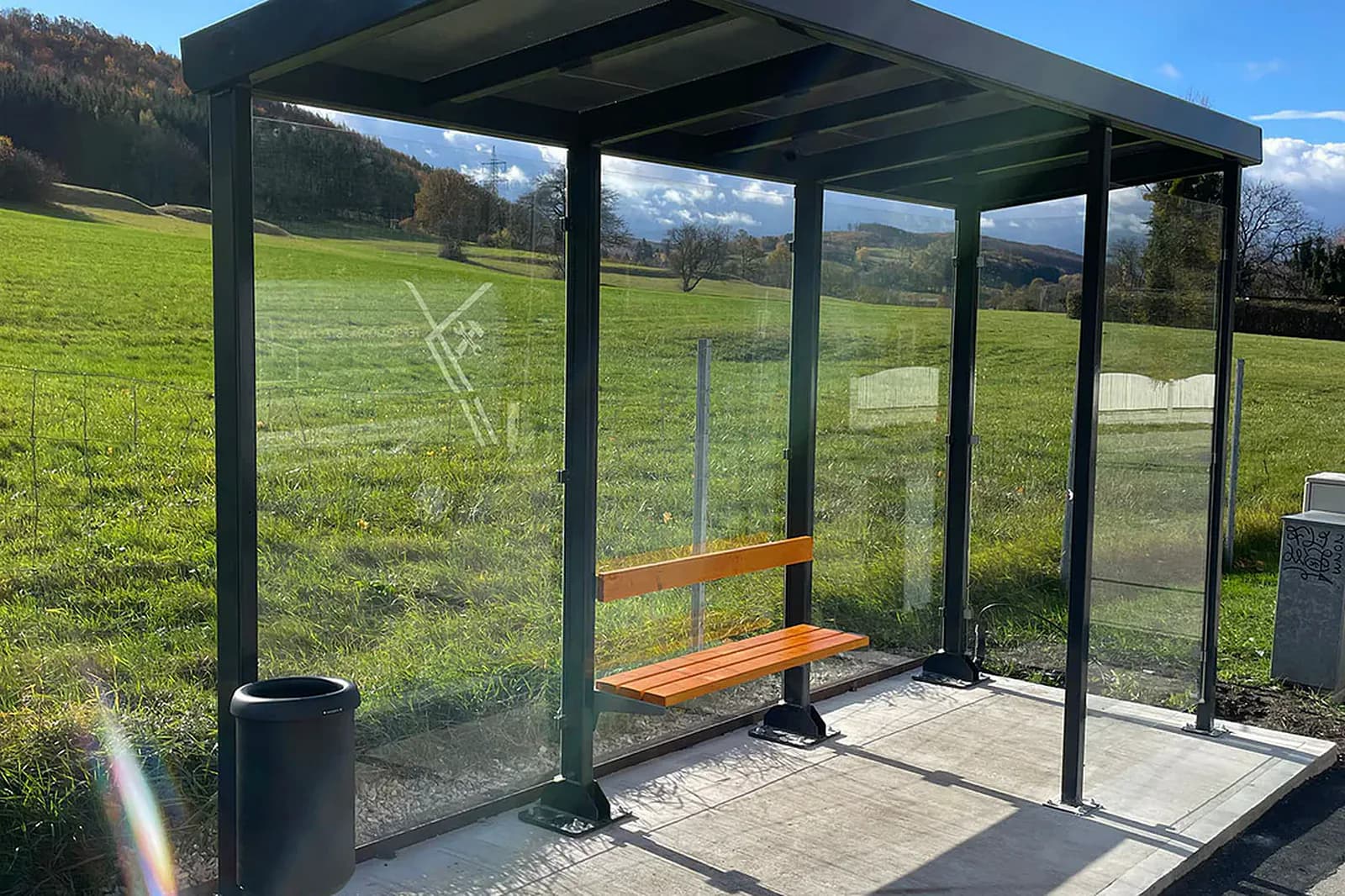
Standard Bus Shelters
Aluminum-frame cantilever and freestanding bus shelters supplied Canada-wide — tempered glass walls, anti-graffiti panels, integrated bench.
Learn more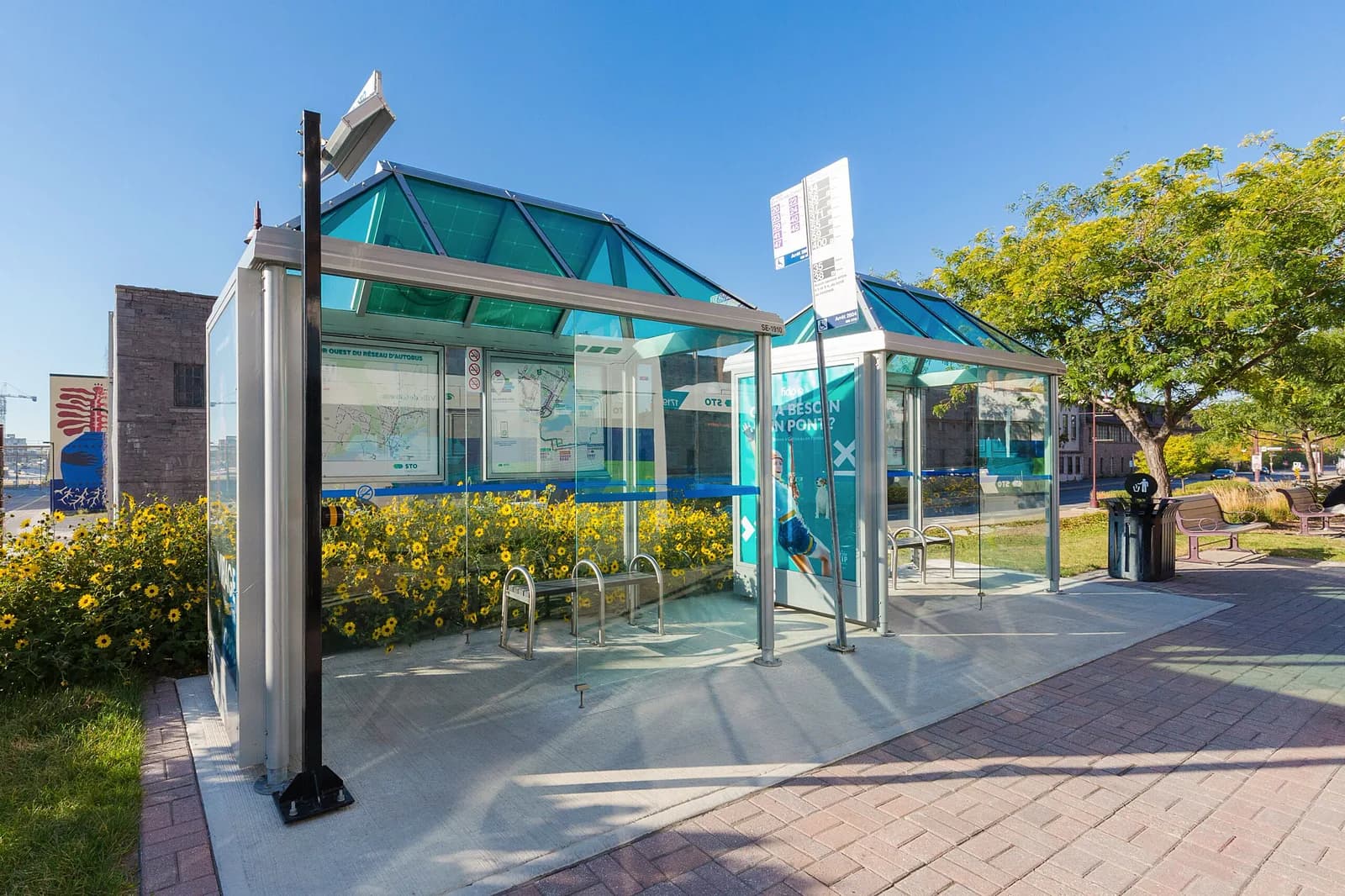
Solar-Powered Bus Shelters
Off-grid LED-lit shelters with rooftop PV array — no trenching, no electrical connection, full winter operation.
Learn more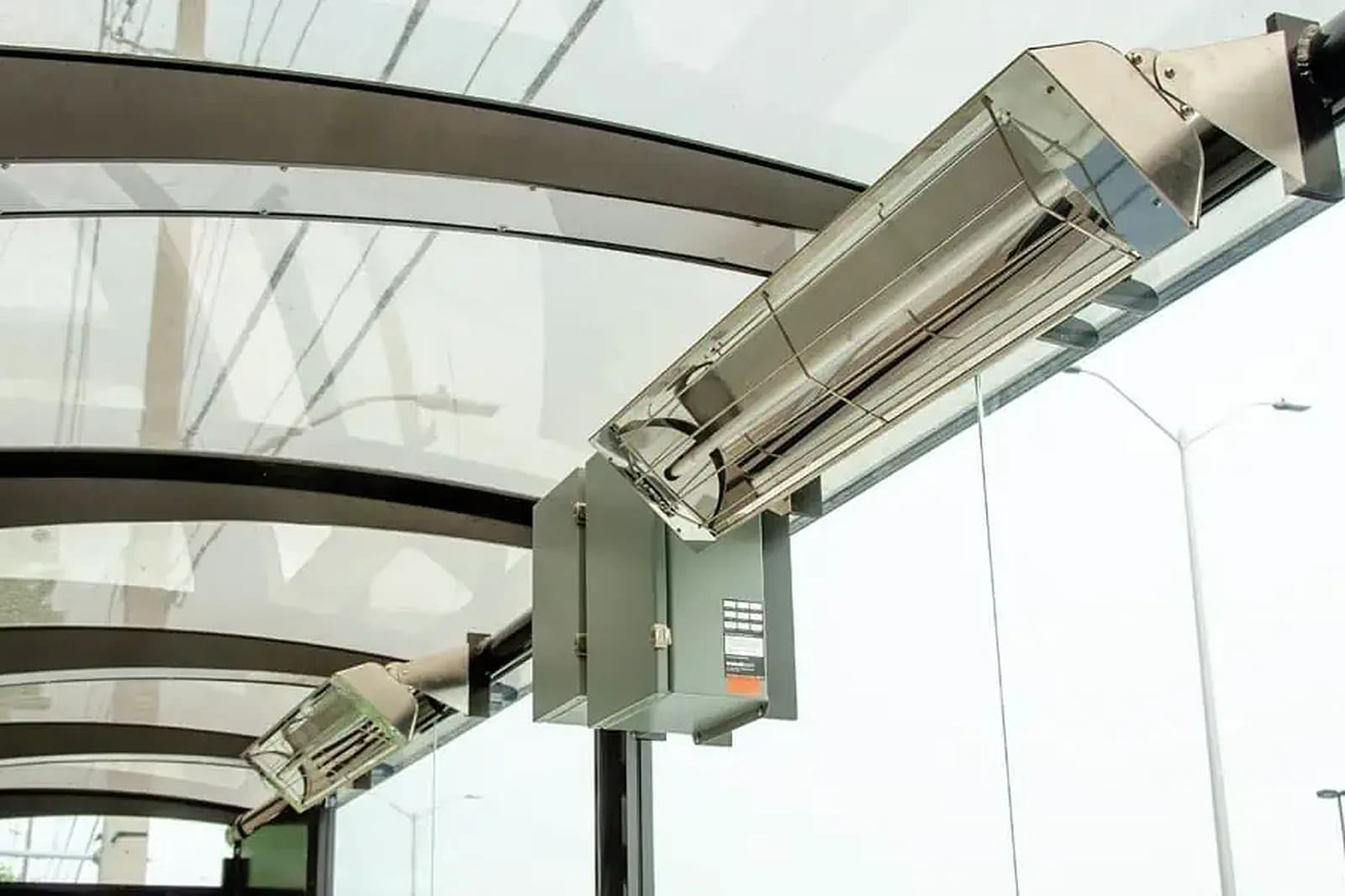
Heated Bus Shelters
Radiant overhead heating panels triggered by motion sensor — thermal comfort below -30°C, heated bench seat option.
Learn more
ADA & AODA Accessible Shelters
Wheelchair-clear floor space, transfer bench, tactile wayfinding, contrasting colour bands — meets AODA, BC Building Code Section 3.8, and CSA B651.
Learn moreFrequently Asked Questions — St. John's
What snow load and wind load should a Canadian bus shelter meet?
Canadian bus shelters must be engineered to the National Building Code of Canada snow and wind loads for the installation city — these vary widely (e.g., 2.2 kPa snow in Toronto vs. 3.9 kPa in Saguenay; 0.44 kPa wind in Toronto vs. 0.84 kPa in St. John's). All BusShelters.ca structures ship with stamped engineering drawings specific to your city and frost depth. Both values come from NRCan Climatic Data tables referenced in NBCC 2020 — there's a published 1/50-year value for every Canadian municipality, which is what the P.Eng. stamp is calculated against. For coastal sites add a terrain-exposure factor (Vancouver Island, Atlantic Canada) and for high-elevation sites a topographic factor (Whistler, Banff). Roof slope, snow-shed direction, and footing depth-to-frost are derived from these inputs. We supply the calculation package alongside the stamped drawings so the AHJ review is single-pass.
Ready to spec a shelter for St. John's?
Send us your scope, route, or RFP — our bid desk responds within one business day with stamped engineering and a fixed quote.